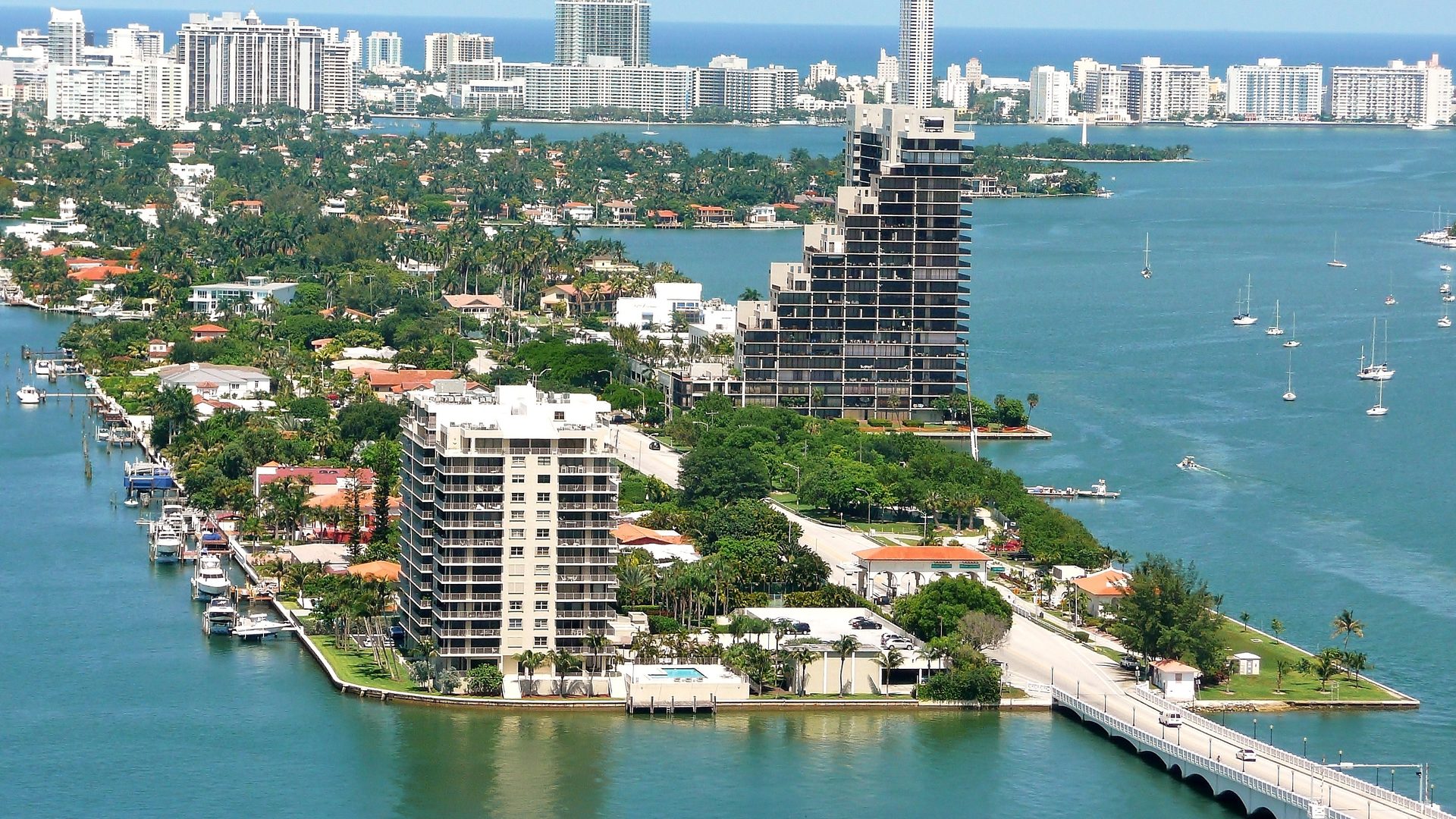
Elevated view of Biscayne Island, the Venetian Causeway and the Venetian Islands across Biscayne Bay toward Miami Beach.

    Supreme Capital Business Brokers Miami Beach · Venetian Islands

    Business Broker Venetian Islands

    Business sale, acquisition and valuation advice for Venetian Islands residents, whether their companies operate in Miami, Miami Beach or elsewhere.

    Biscayne Island and the Venetian Islands toward Miami Beach, 2010. Photo: Marc Averette · CC BY 3.0 · Cropped · Photo credits

    The decision in front of you

    Business Brokerage for Venetian Islands Owners and Buyers

    The Venetian Islands span two municipalities: Biscayne Island and San Marco are in the City of Miami, while San Marino, Di Lido, Rivo Alto and Belle Isle are in the City of Miami Beach. For a resident considering a business transaction, the company’s operating location and records matter separately from the owner’s island address.

    An owner living on the Venetian Islands may run a company across the causeway, elsewhere in Florida or farther afield. Supreme Capital Business Brokers helps assess a sale, acquisition or ownership transition through the company’s financial performance, management and operating arrangements. Our explanation of what a business broker does outlines the role before a decision is made.

    Buyers should distinguish an owner’s residence from the business being offered. A company need not be home-based, marine-related or dependent on island households to be relevant to an owner here. Customer retention, staffing and premises deserve investigation according to the actual operation, rather than assumptions drawn from a waterfront address or the surrounding residential setting.

    01 / Seller decision

    Selling a Business You Own as a Venetian Islands Resident

    Preparing a company for market means documenting how earnings are produced and whether operations can continue without the seller’s daily involvement. For a Venetian Islands resident, that review follows the company wherever it trades. The business sale process starts with financial records, management responsibilities and a clear account of what is being sold.

    Where revenue depends on a few customers, examine concentration, renewal dates and who maintains each relationship. This is a company-specific question, not a feature established by an island address. A business with a broad customer base needs a different presentation from one dependent on a handful of service accounts or personal introductions.

    Establish the actual operating address, applicable municipality and rights to use each location. A Miami lease and a Miami Beach lease may raise different local compliance questions; an off-site company may involve neither. Our guide to preparing to sell a business explains why premises, licenses and supporting records belong in the preparation file.

    Plan confidentiality around the information that could identify this particular company: employee roles, customer names, proprietary processes or contract terms. Agree on buyer qualification and staged disclosure before outreach begins. The owner’s residential privacy deserves care, but it should not replace a practical information plan built around the business and its stakeholders.

    02 / Value in context

    Business Valuation for Venetian Islands Owners

    Value comes from earnings a buyer can reasonably expect to continue, not the owner’s Venetian Islands residence. Reconcile reported results with tax returns, identify supportable adjustments and distinguish recurring income from exceptional work. If client concentration or owner-led referrals are material, test their effect using the company’s records rather than a neighborhood profile.

    Depending on size and structure, the relevant earnings measure may be Seller’s Discretionary Earnings or EBITDA. Applying valuation multiples requires comparable business characteristics, including scale, management depth and risk. A casual revenue multiple or a comparison with an unrelated waterfront service company can obscure the economics of an owner’s much different operation.

    A business valuation should explain its purpose, assumptions and treatment of debt, working capital and any separately owned assets. A sale, partner buyout and succession discussion can require different analyses. Our Miami Beach business valuation guide provides context; the conclusion still depends on the company’s own sector, location, records and transferable operating rights.

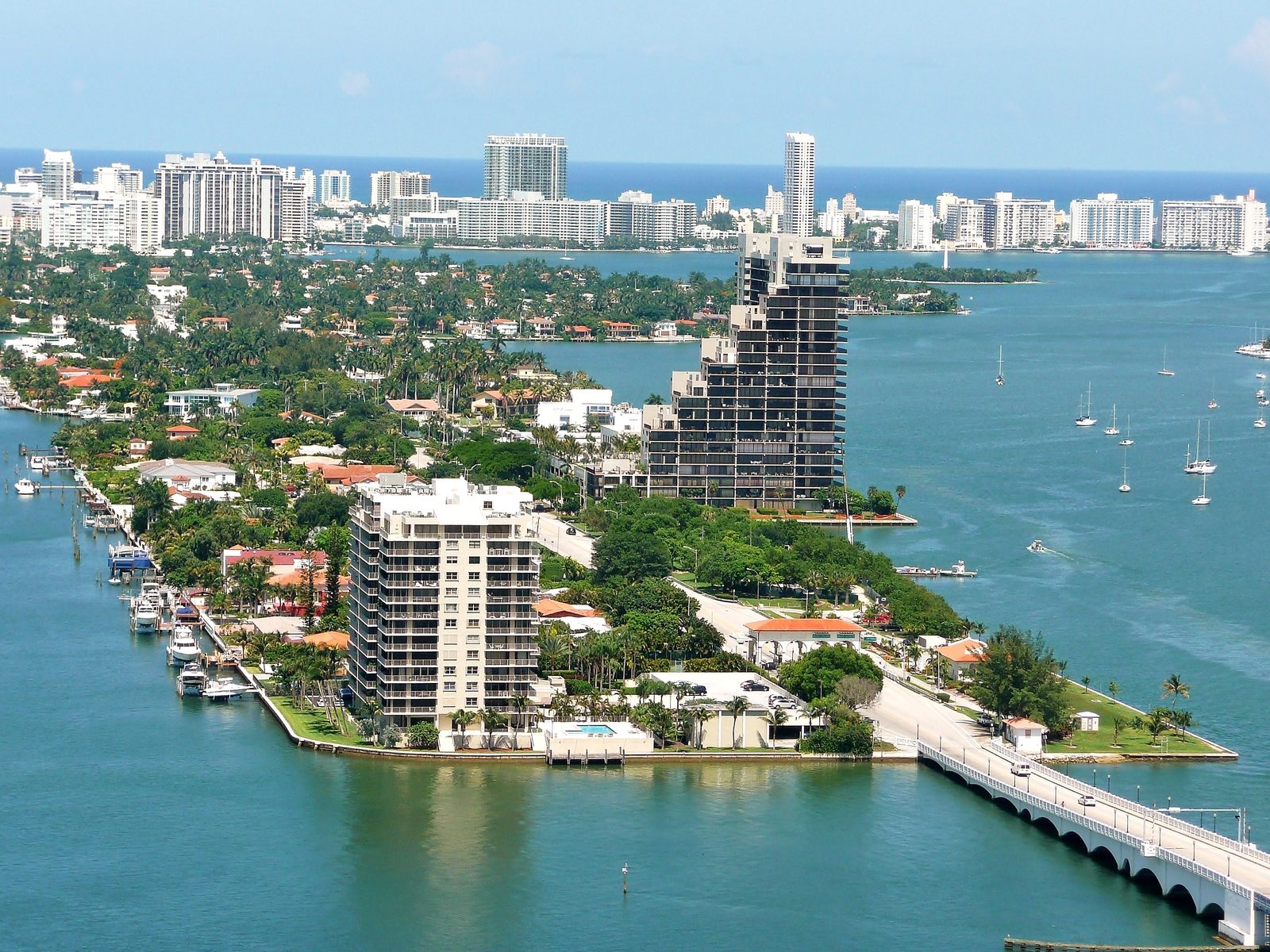
    Elevated view of Biscayne Island, the Venetian Causeway and the Venetian Islands across Biscayne Bay toward Miami Beach.

    An address is not an operating model

    Evaluate the company where it operates, and protect the owner’s privacy without letting a residential address stand in for business evidence.

    Biscayne Island and the Venetian Islands toward Miami Beach, 2010. Photo: Marc Averette · CC BY 3.0 · Cropped · Photo credits

    Illustrative image of two businesspeople shaking hands in an office

    03 / Buyer perspective

    Buying a Business as a Venetian Islands Resident

    When buying a business from a Venetian Islands resident, first establish what is included and where it operates. The acquisition might involve an entirely off-island company. Review management continuity, employees and customer economics before treating the seller’s residential connection as relevant to the business itself.

    Reconcile financial statements with tax returns and supporting records, then test material contracts and customer retention. Our due diligence guide explains the documentary review. Where the company relies on service access, a lease or a marina arrangement, check those specific rights rather than assuming access follows ownership.

    Confirm which operating permissions, premises and working-capital needs apply after closing. Financing should reflect those requirements and the buyer’s resources, not the island’s residential reputation. Our overview of financing a business purchase explains how lender review, transaction structure and supporting documentation can affect the acquisition timetable.

    04 / Beyond the immediate sale

    Separating Ownership, Operations and Related Assets

    A Venetian Islands resident may own several entities, with equipment, intellectual property or premises held separately from the trading company. Where service accounts, marine assets or property-management contracts are involved, identify the actual contracting entity and any assignment conditions; those features should not be assumed for every resident-owned company. A coordinated business sale distinguishes the assets and liabilities included, allocates shared costs and defines the seller’s transition role, with legal and accounting advisors reviewing the structure before terms are finalized.

    Selling a business

    05 / Place matters

    Around Venetian Islands

    The Venetian Causeway connects Miami and Miami Beach through this residential island chain in Miami-Dade County. Biscayne Island and San Marco are in the City of Miami; San Marino, Di Lido, Rivo Alto and Belle Isle are in the City of Miami Beach. A resident owner’s company may operate in either city or elsewhere.
    Venetian Islands, Florida

    Venetian Causeway

    The historic Venetian Causeway connects the Cities of Miami and Miami Beach through the island chain, whose islands fall within two different municipal jurisdictions.

    Official information

    Belle Isle Park

    Belle Isle Park is a public green space on the Miami Beach side of the chain, near its eastern connection with the rest of the city.

    City park information

    Rivo Alto Island

    Rivo Alto is one of the residential islands on the Miami Beach side of the Venetian chain, providing a geographic reference for resident business owners.

    Official information

    San Marino Island

    San Marino lies on the Miami Beach side of the Venetian chain, east of the City of Miami islands of Biscayne and San Marco.

    Official information

    A closer look

    Business Brokerage in Venetian Islands

    06 / The transaction

    How a Business Sale Typically Moves Forward

    Every transaction is different, but most follow a recognizable sequence from preparation through closing.

    1. 01

      Understand the business

      Review operations, financial performance, ownership structure, and seller objectives.

    2. 02

      Evaluate value and positioning

      Consider earnings, risks, strengths, marketability, and an appropriate pricing strategy.

    3. 03

      Prepare for market

      Organize financial information and transaction materials while deciding what can be shared and when.

    4. 04

      Confidential buyer outreach

      Present the opportunity carefully while protecting sensitive business information.

    5. 05

      Qualify buyers and evaluate offers

      Compare capability, financing, price, structure, contingencies, and other terms.

    6. 06

      Due diligence and closing

      Coordinate the information process after an accepted offer and work through the remaining transaction requirements.

    Questions owners ask

    Business Broker Venetian Islands FAQs

    The Venetian Islands are primarily residential, and a resident owner’s company may operate anywhere. Some businesses may serve island customers, but an island connection does not establish a particular industry, home-office model or customer base. Brokerage work begins by identifying the actual company, operating locations, customers and ownership objectives rather than assuming demand from nearby households.

    A sale begins with the company’s financial records, operating structure and the owner’s objectives, whether the business trades in Miami, Miami Beach or elsewhere. Preparation then covers valuation, confidential buyer outreach, negotiation, due diligence and closing. Where premises, licenses or contracts matter, their transfer requirements should be reviewed with legal and accounting advisors before commitments are made.

    Documented earnings, management continuity, customer retention and transferable operating rights matter more than the owner’s residential address. Customer concentration and personal relationships require closer attention when material to the actual company. A valuation also needs a defined purpose and a clear treatment of working capital, debt and separately owned assets; neighborhood reputation is not a substitute for that analysis.

    A broker can help a buyer assess opportunities, review financial and operating information, structure an offer and organize due diligence. The company could serve the islands or operate elsewhere under a resident owner. Legal, accounting and financing professionals review their respective issues, including any company-specific lease, license or access arrangements that need to continue after closing.

    Confidentiality should match the actual company and information at risk. Buyer qualification, confidentiality agreements and staged disclosure help manage access to identifying details, customer records and sensitive contracts. If the company serves privacy-conscious clients, their information needs particular care; that clientele should not be assumed merely because the owner lives on the Venetian Islands.

    Start with the facts

    Considering a Sale, Acquisition or Valuation?

    If you live on the Venetian Islands and are considering a business sale, acquisition or valuation, speak with Supreme Capital Business Brokers about your company and objectives.

    305-440-4459

    Confidential inquiry

    Start a Confidential Conversation

    Inquiries go only to our team and are handled with discretion.

    Message frequency varies. Message and data rates may apply. Reply STOP to opt out or HELP for help. Consent is not required to submit an inquiry or purchase services. SMS Privacy Policy & Terms.

    No obligation. * Required fields.